Draw night still feels the same for many people. Here is a closer look at where an evening of learning AI tools fits beside the ticket.
An easy-to-read overview of how weekly lottery routines tend to look, where a quiet study hour with Pickwell sometimes sits, and why the shape of the week may matter as much as the numbers on the slip.

Everyday play: what often stays the same for years
Many people buy their ticket the way they did a decade ago. The routine looks familiar: the same corner store on the way home, the same birthdays and anniversaries on the slip, the same few minutes in front of the screen when the numbers come up. What tends to change is less visible than the ticket. The dream grows more specific: every debt paid off, the job left behind, a house of your own, a trip postponed for years, a cushion for the family. None of this announces itself. It simply becomes part of the background of an ordinary week, in how the evenings are spent and in what the hope rests on.
Four areas come up again and again when people talk about their weekly play: evenings, tools, timing and budget. None of them requires giving up the ticket. Each is mostly a question of when and how much time rather than what is allowed, and each can be looked at without changing a single number on the slip.
The lottery is for adults of legal age only. Play for fun, and never with money you need.
Evenings
For many people, the hopeful part of the week is concentrated into one evening instead of spread across it. Monday to Thursday are work, dinner and television; by draw night, every plan for a different life rests on a few minutes and a paper slip. Some readers now set aside one or two other evenings as a study hour, sitting down with a laptop to learn how AI tools can draft an invoice, answer a customer email or sketch a small business idea. A Pickwell capsule with a cup of tea is sometimes the only planned part of that hour, which says less about the capsule itself and more about how the rest of the week was arranged. Seen this way, it is a question of order rather than of a bigger bet.
Tools
Many people settle into a short rotation of habits over the years: the same apps, the same shows, the same ticket. Since routines repeat, the same few evenings show up again and again. Trying one new tool a week, such as a chat assistant to tidy a price list, an image tool for a flyer or a spreadsheet helper for the household budget, is a change in variety rather than a change in how many hours are spent.
Timing
A late draw once just meant staying up a little. For many people it now means the whole evening waits on the result, and some notice they prefer a little space between the study hour and the draw. Putting the learning earlier in the week is a scheduling choice rather than a lifestyle overhaul, and it is the kind of decision that can be made once instead of being reconsidered every Friday.
Budget
Ticket spending often drifts upward when a jackpot makes the news, while the rest of the household budget may not. That mismatch is common and rarely noticed at the counter. Setting one fixed weekly amount for play, kept separate from bills and savings, is a matter of proportion rather than restriction, and it can be decided once, at the start of the month.

AI meets the kitchen table
AI tools are programs that respond to plain written requests: you type what you need, and they draft, summarize, sort or suggest. They do not know the future, and no tool can see which balls will drop. What they are often discussed for is the slow, everyday side of running something of your own, such as writing product descriptions, planning a weekly post or answering routine questions. Pickwell enters here as the item some readers keep on the table during that hour: a capsule blend built around L-Theanine1, Bacopa Monnieri2, Rhodiola Rosea3, Ginkgo Biloba4 and Citicoline5, ingredients often talked about in study-routine circles. None of this makes the study hour or the capsule a shortcut to anything, and none of it touches the odds of any draw. It is simply one more part of the week that can be chosen deliberately rather than by habit, and anyone with specific dietary needs may wish to speak with a qualified professional.
The idea behind it is simple: how the hopeful hours are spread across the week is often just as relevant as the single evening of the draw.
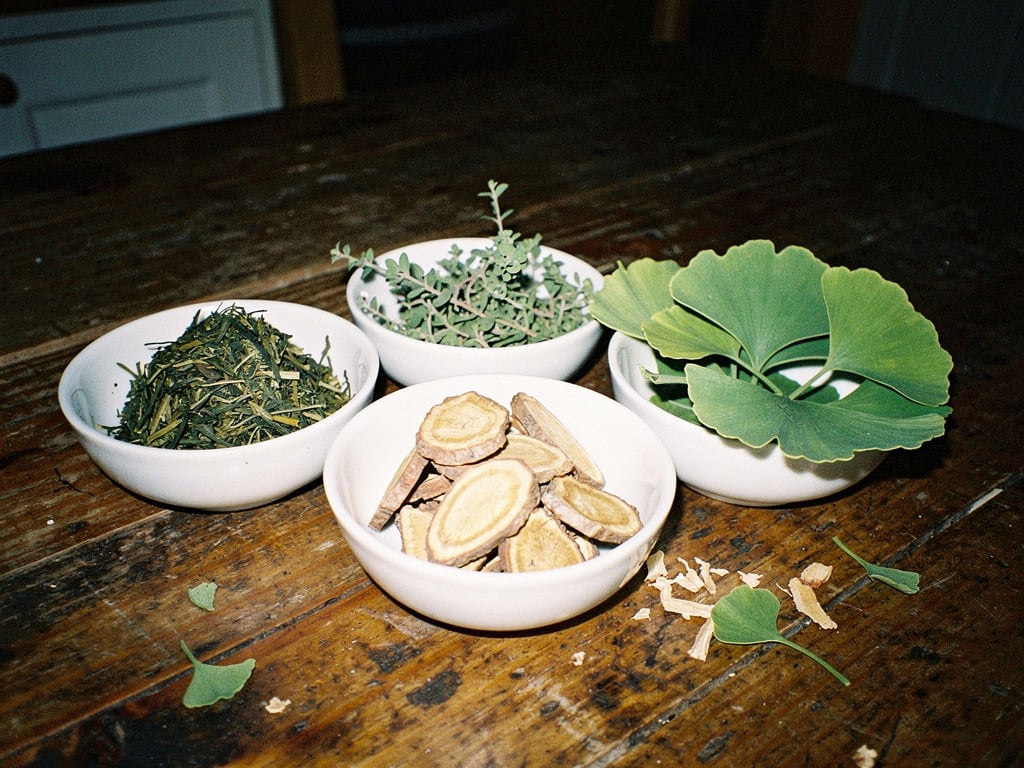
What is in the jar
L-Theanine
An amino acid found in tea leaves
L-Theanine occurs naturally in the leaves of the tea plant, Camellia sinensis, and is one reason a cup of green tea has its own character. It is generally studied in relation to calm alertness, often alongside the caffeine that tea also carries.
Bacopa Monnieri
A creeping wetland herb; main compounds called bacosides
Bacopa Monnieri grows in the marshes of India and other warm regions. In traditional Ayurvedic practice it has long been associated with learning and memory, and it is generally studied in adults for its relation to memory and focus.
Rhodiola Rosea
A root from cold mountain and Arctic regions; compounds rosavins and salidroside
Rhodiola Rosea, sometimes called golden root, grows in the high and northern parts of Europe and Asia. Scandinavian and Russian folk traditions used it during demanding seasons, and it is generally studied in relation to everyday mental tiredness.
Ginkgo Biloba
The leaf of an ancient tree; flavonoid glycosides and ginkgolides
Ginkgo Biloba comes from one of the oldest tree species on earth, native to China and now planted along city streets worldwide. Extracts of its fan-shaped leaves are generally studied in relation to memory and attention.
Citicoline
A compound naturally present in the body's cells; a source of choline
Citicoline is found naturally in cells, where it takes part in building cell membranes, and it is also produced for use in supplements. It is generally studied in relation to attention and everyday mental energy.
Simple weekly basics
None of this involves a new job, a strict course or giving up the Friday ticket. It is about deciding, once, the general shape of an ordinary week so that it does not need to be reconsidered every morning before the first cup of coffee.
A choice made once is often easier to keep than a rule revisited every single week.

Where the study hour fits
None of these is a system. Each is a simple choice made once, then kept.
- 01
The week starts with one planned hour
Instead of whatever is on television, one weekday evening includes a planned hour with a laptop and one AI tool, chosen ahead of time so it does not depend on how tiring the day was. It does not have to be long; it simply has to be there.
- 02
Midweek takes on more of the planning than draw night
Because draw night often absorbs all the daydreaming, a midweek evening can become the one where ideas get written down: a business name, a first product, a list of questions for the AI tool. Moving even one of those plans from Friday to Wednesday is a change in the rhythm of the week, not in the ticket.
- 03
Draw night keeps a set budget and a set hour
The ticket is bought for the same fixed amount on most weeks, and the study hour ends at about the same time instead of drifting later. That one steady anchor is where the rest of the week is arranged, including a Pickwell capsule with tea if one is part of the routine, so it does not spill into the hours set aside for rest.
Common advice versus everyday reality
Some familiar pieces of advice keep getting repeated even after they no longer fit how most weeks actually go.
Myth
A common suggestion is that a big win is the only realistic road to a different life.
Fact
In practice, the dream itself often stays the same, while what people look at is how the other evenings of the week are spent.
Myth
A common suggestion is that the right app, pattern or AI can pick better numbers.
Fact
Every draw is randomNo tool, pattern or past result tells you what comes next, and AI is no exception.
Myth
A common suggestion is that AI is only for tech companies and can be ignored until someone forces it on you.
Fact
In practice, many of the simplest tools are built for plain-language requests, the kind anyone can type at a kitchen table.
If play ever stops feeling like fun, or a lasting change in your routine worries you, talk it over with someone you trust or a local support service.
Reader notes

Denise R., Ohio
I still buy my ticket on Fridays, that part is mine. Tuesday evenings are now my hour for learning an AI tool for my cake orders, with a Pickwell capsule and a cup of tea. I've kept that ritual since early summer and I like having it on the calendar.
Marcus T., Georgia
I tried Pickwell because I liked the idea of a set study night instead of just waiting on the draw. The capsules are on the large side, which took some getting used to. The routine itself is easy to keep.
Linda K., Arizona
My husband and I have played the same numbers for years and we still do. What I wanted was something of my own on the other evenings. The capsule with tea became the signal that the laptop hour has started.
Ray P., Pennsylvania
I watched the presentation out of curiosity about the AI part. I decided to try Pickwell for the study hour and I keep the jar next to my notebook. It feels good to sit down on a weeknight with a plan.
Reviews reflect individual experience. Results vary and are not typical.
Frequently asked questions
Do I need to play more, or play differently?
No. Nothing here is about numbers, systems or how much you play. The ideas are about how the other evenings of the week are arranged.
Is this a course I have to follow every day?
No. The ideas covered here are choices about order and timing that are made once, not a daily program that has to be logged or restarted.
Where does Pickwell fit into all of this?
Pickwell appears here simply as one example of an item some readers keep on the table during a study hour. It is a capsule blend, not a lottery product, and the same thinking applies to a plain cup of tea.
Can AI or any app pick winning numbers?
No. Every draw is random. No tool, pattern or past result can tell you what comes next, and nothing on this page or in the presentation changes the odds.
Do I have to give anything up?
Nothing covered here asks you to stop playing. The focus is only on how the week is shaped and on a fixed budget you choose yourself.
How long is the presentation, and what is in it?
It is a sponsored video presentation. The explanatory part runs about four minutes and follows an ordinary week evening by evening; at the end, an offer for Pickwell is presented.
Is this financial or medical advice?
No. This page and the presentation it links to are sponsored educational material, not financial or medical advice, and they do not replace a conversation with a qualified professional.
Walk through the whole weekly routine

The presentation walks through an ordinary week, evening by evening, explaining where a study hour with AI tools and a Pickwell capsule might fit, and how order and timing are commonly discussed. Pickwell is a capsule blend made with L-Theanine, Bacopa Monnieri, Rhodiola Rosea, Ginkgo Biloba and Citicoline.
$49 per bottle
Watch the presentation Sponsored video by Pickwell, about four minutes of explanation followed by an offer.Scientific References
These are published studies on the individual ingredients, not on Pickwell. Most were done in other populations and settings, and none shows that any supplement treats or prevents anything.
- Cotter J, et al. (2026) — Examining the effect of L-theanine on sleep: a systematic review of dietary supplementation trials. Nutr Neurosci. (Systematic review) PMID 41176609
- Kongkeaw C, et al. (2014) — Meta-analysis of randomized controlled trials on cognitive effects of Bacopa monnieri extract. J Ethnopharmacol. (Meta-analysis) PMID 24252493
- Gerbarg PL, et al. (2016) — Pause menopause with Rhodiola rosea, a natural selective estrogen receptor modulator. Phytomedicine. (Review) PMID 26776957
- Liao Z, et al. (2020) — Meta-analysis of Ginkgo biloba Preparation for the Treatment of Alzheimer's Disease. Clin Neuropharmacol. (Meta-analysis) PMID 32658034
- Bonvicini M, et al. (2023) — Is Citicoline Effective in Preventing and Slowing Down Dementia?-A Systematic Review and a Meta-Analysis. Nutrients. (Meta-analysis) PMID 36678257